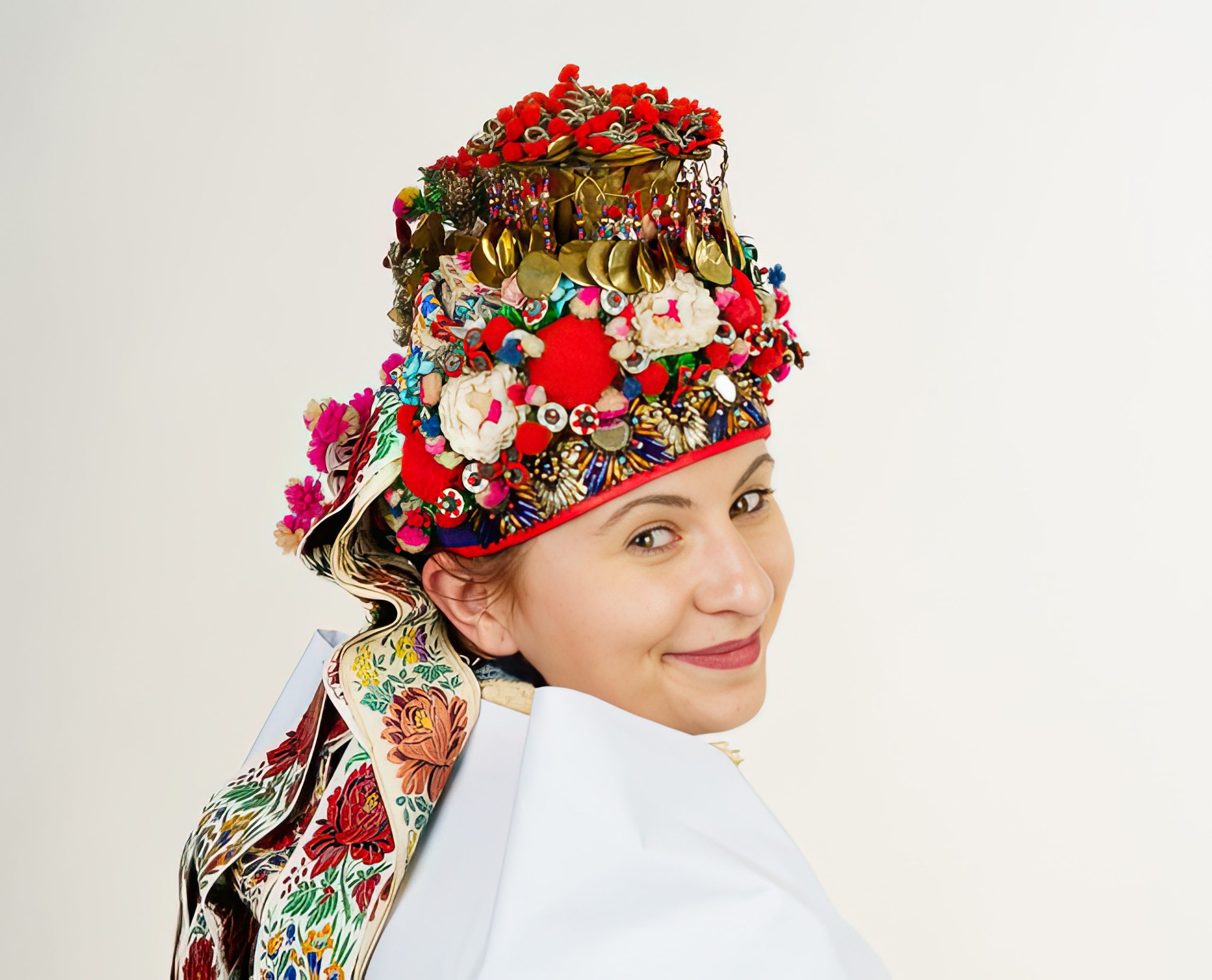
In collaboration with the Slovácké Museum in Uherské Hradiště, our team recently completed a unique project focused on the 3D scanning and digitization of traditional Central European folk costumes. This initiative connects cultural heritage with modern technology, transforming historical garments into digital formats, including virtual reality and 3D printing.
About Slovácké Museum
Slovácké Museum, located in Uherské Hradiště, is a regional cultural institution focused on documenting and presenting the history, traditions, and ethnographic heritage of the Slovácko region.
Its collections include traditional costumes, historical artifacts, and materials related to everyday life in the region. The museum operates several exhibition spaces and is involved in research, documentation, and preservation of cultural heritage.
Through projects like this one, it also explores ways to present its collections using modern digital technologies.
To learn more about their collections and exhibitions, visit:
https://www.slovackemuzeum.cz/
Layer-by-Layer Documentation of Traditional Costumes
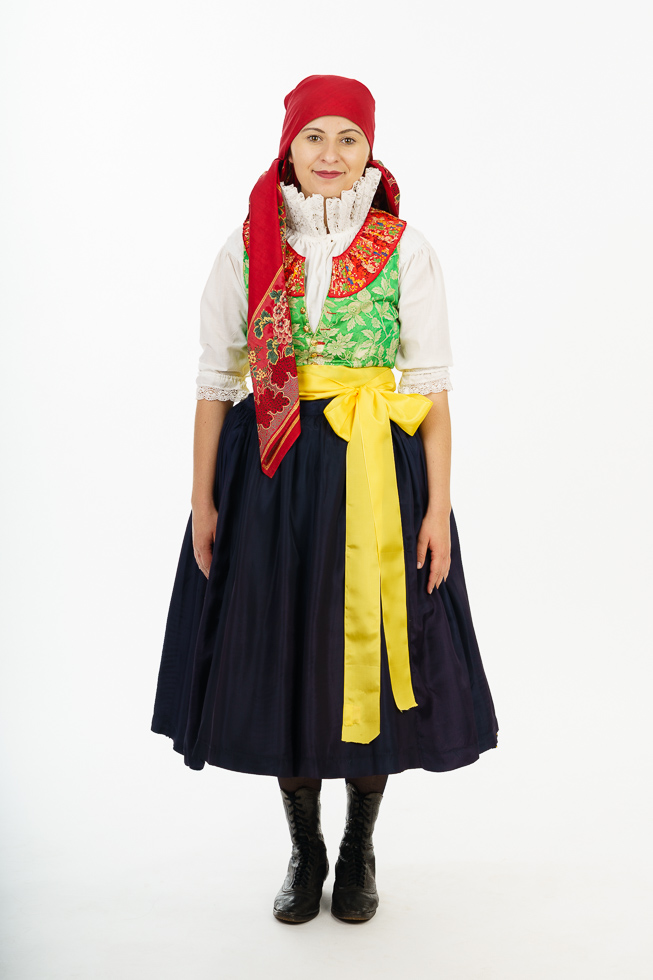
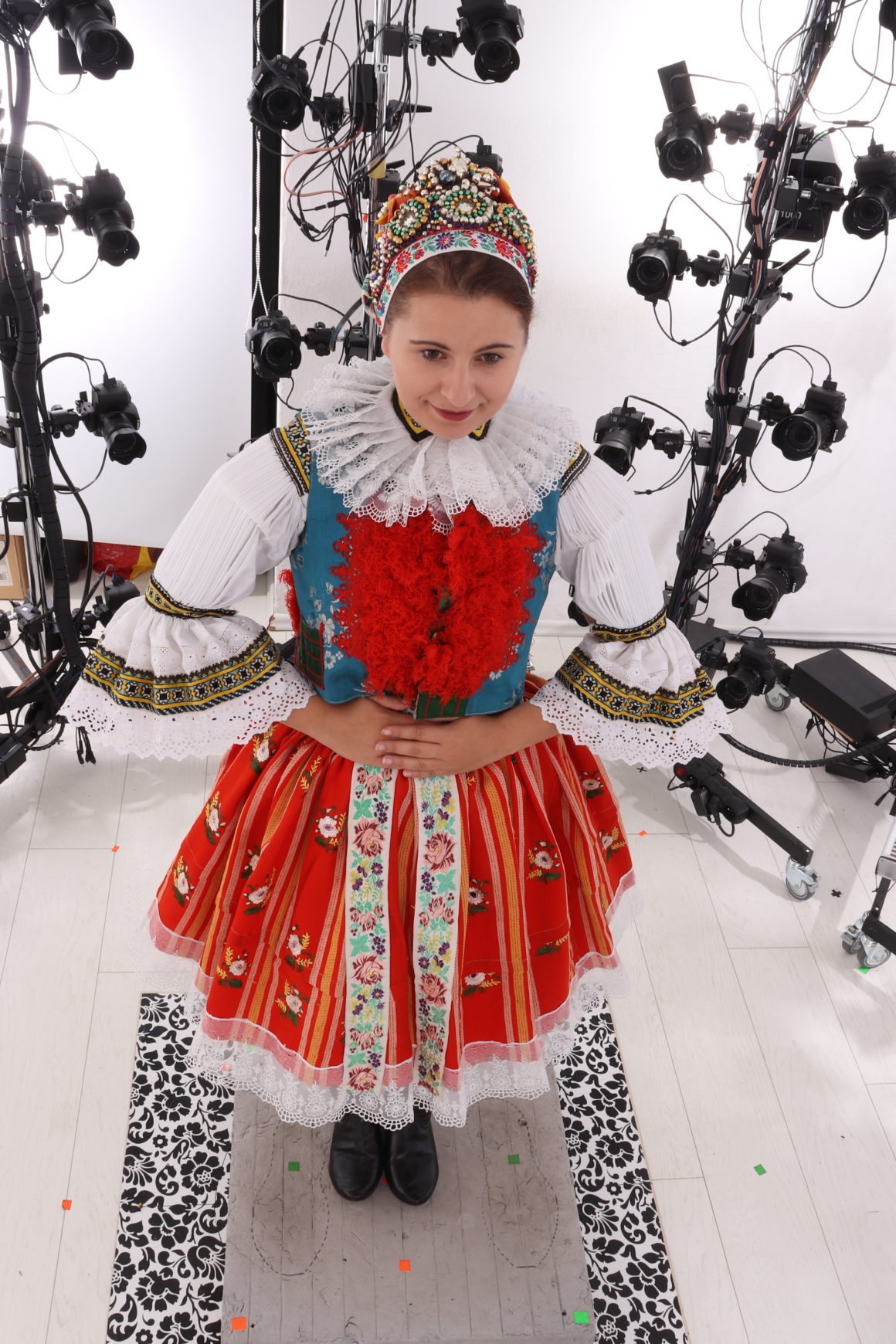
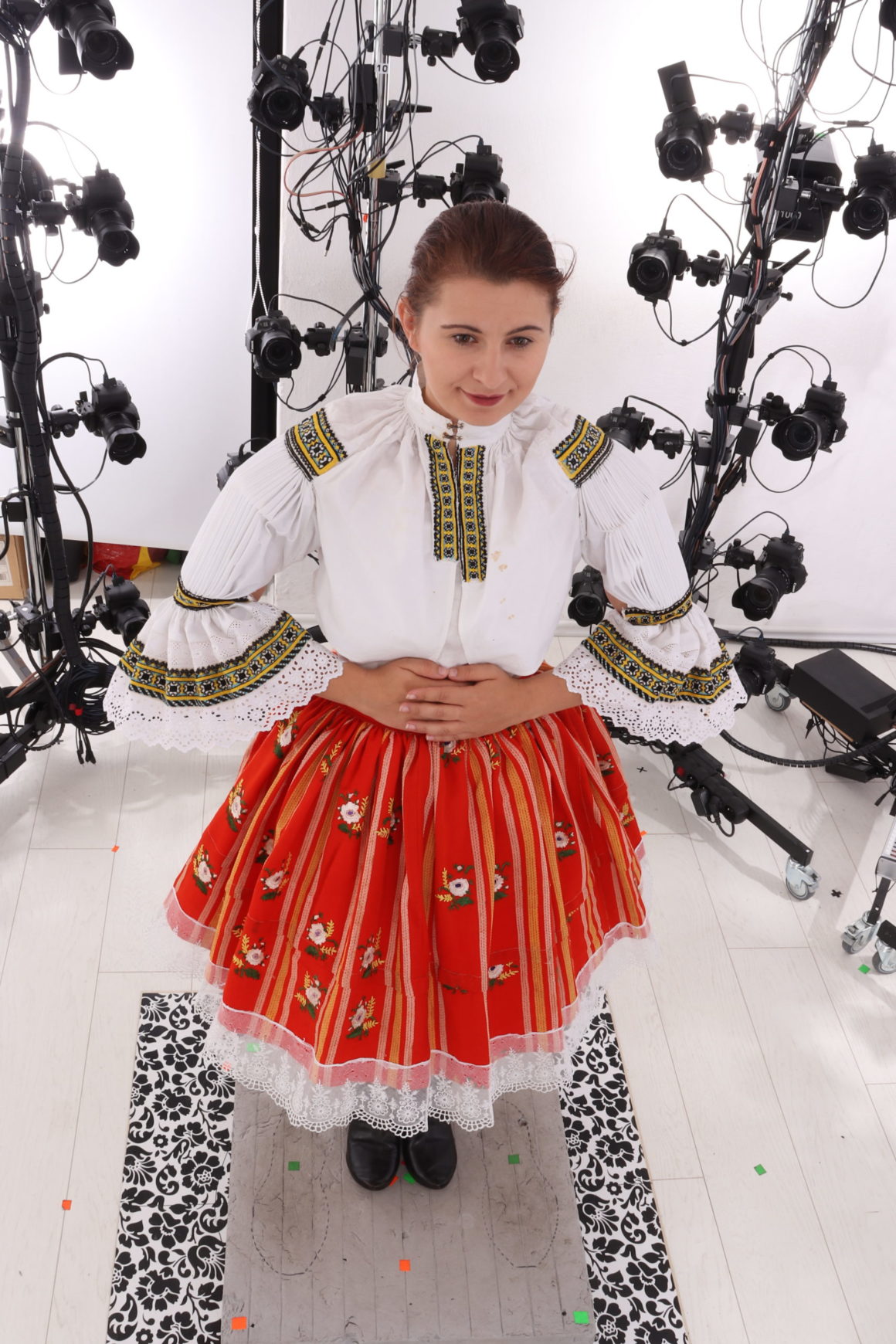
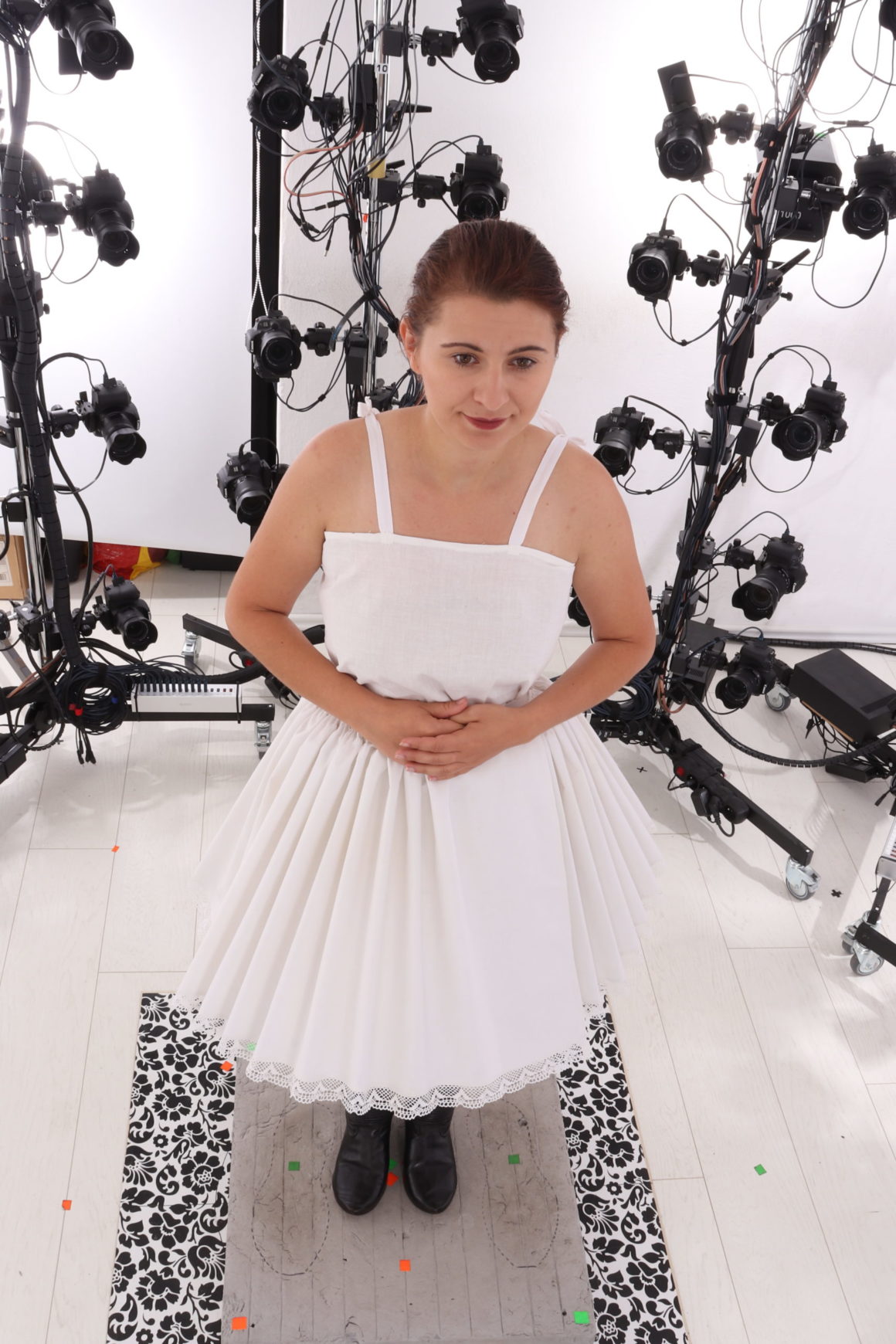
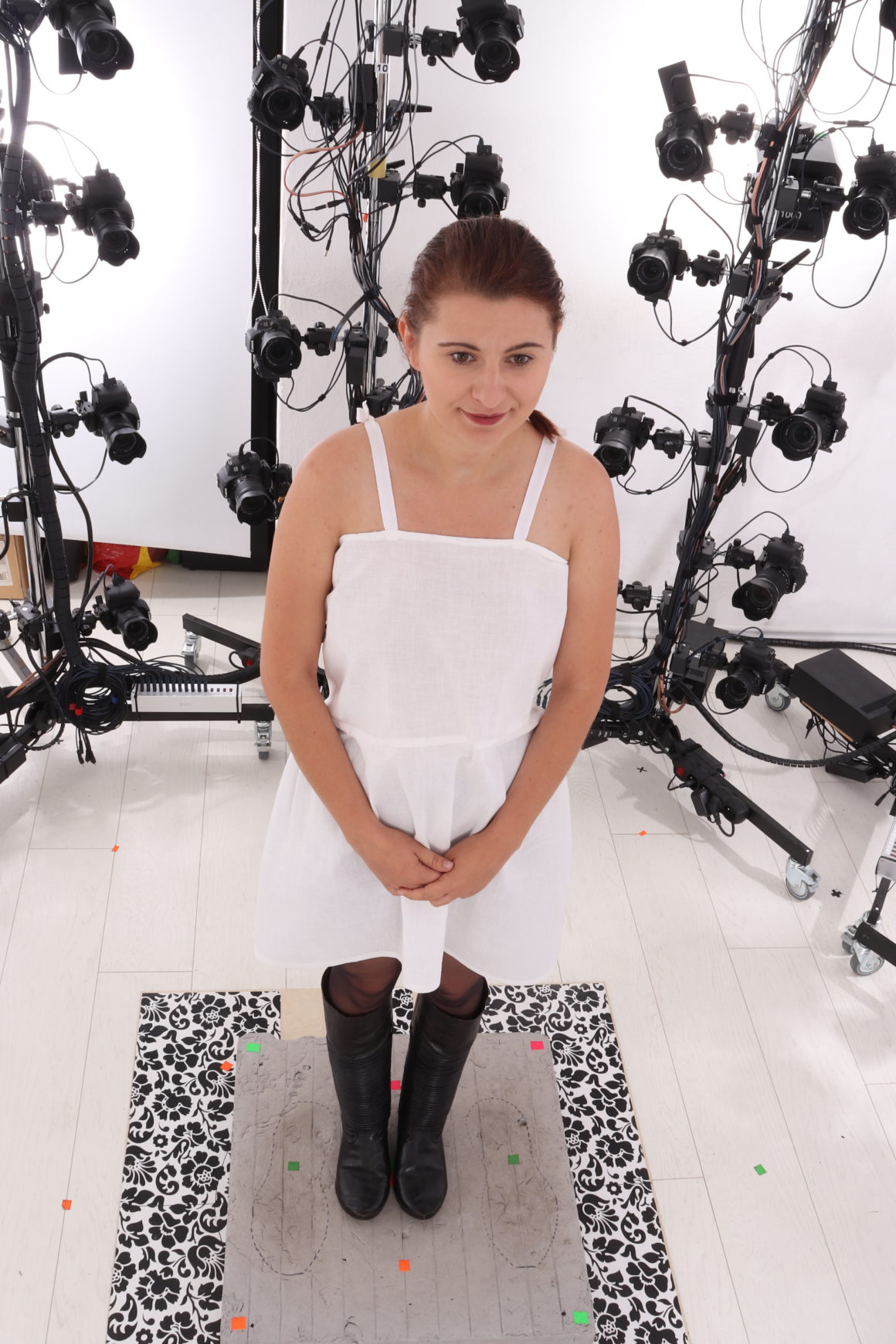
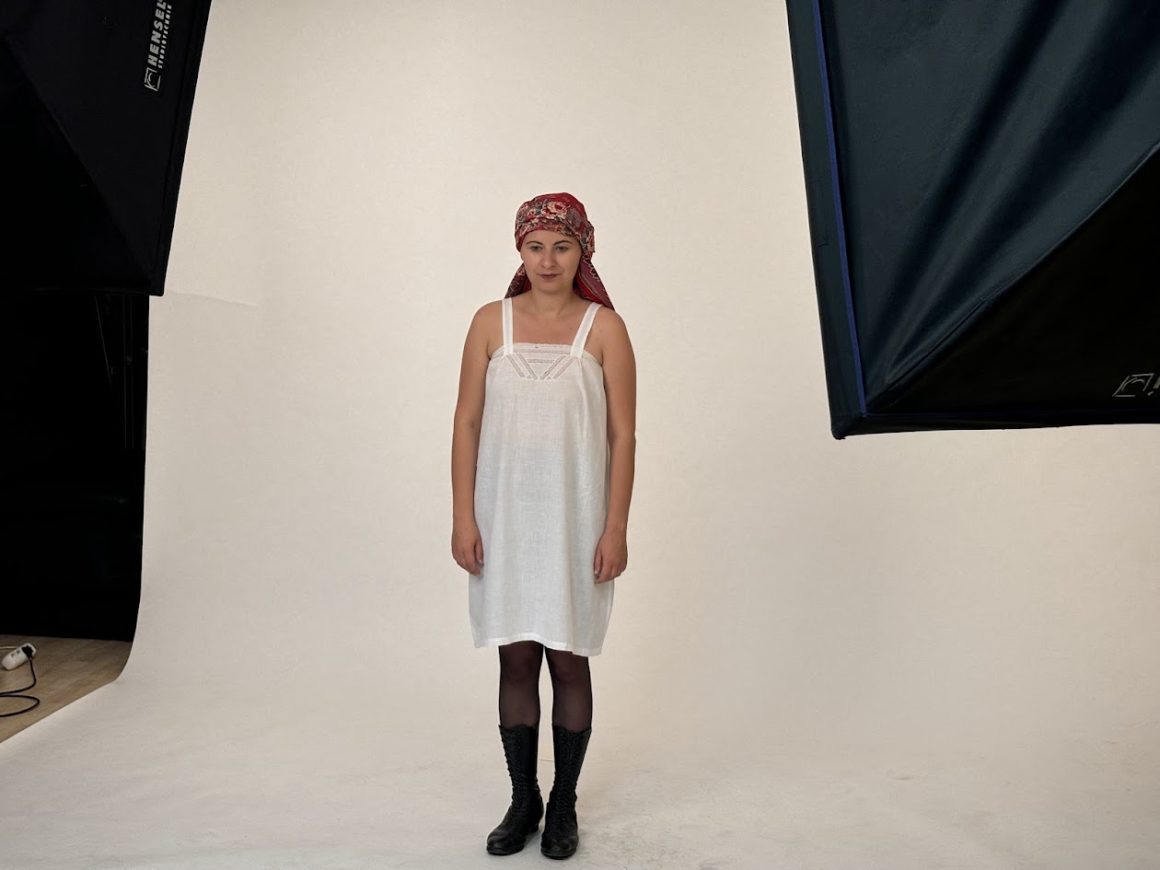
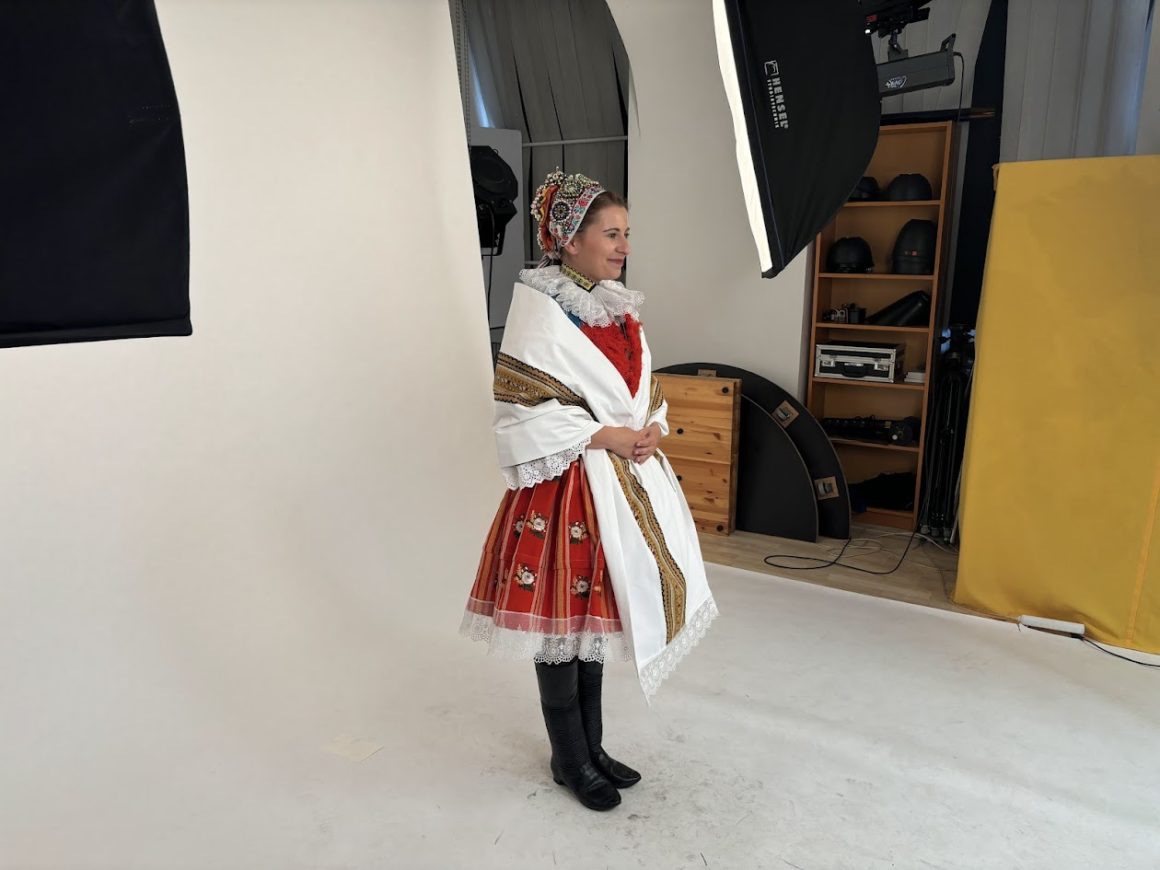
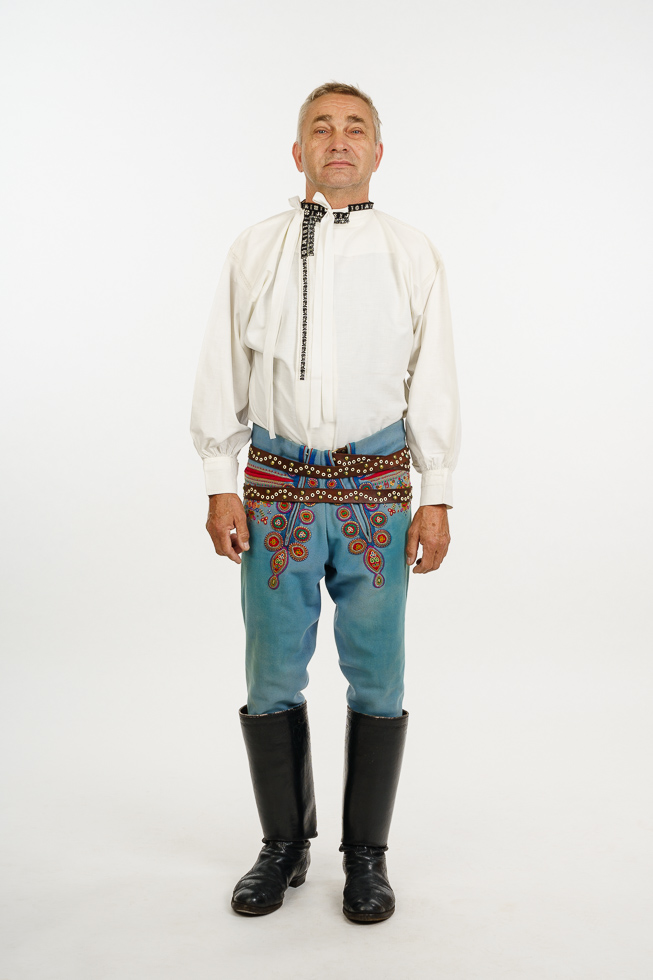
Throughout the project, we captured and photographed a total of 70 individual 3D layers of traditional costumes (kroje), covering 15 distinct types of male and female outfits. Each costume was recorded step by step — from the base linen garments to the fully assembled, richly decorated final look.
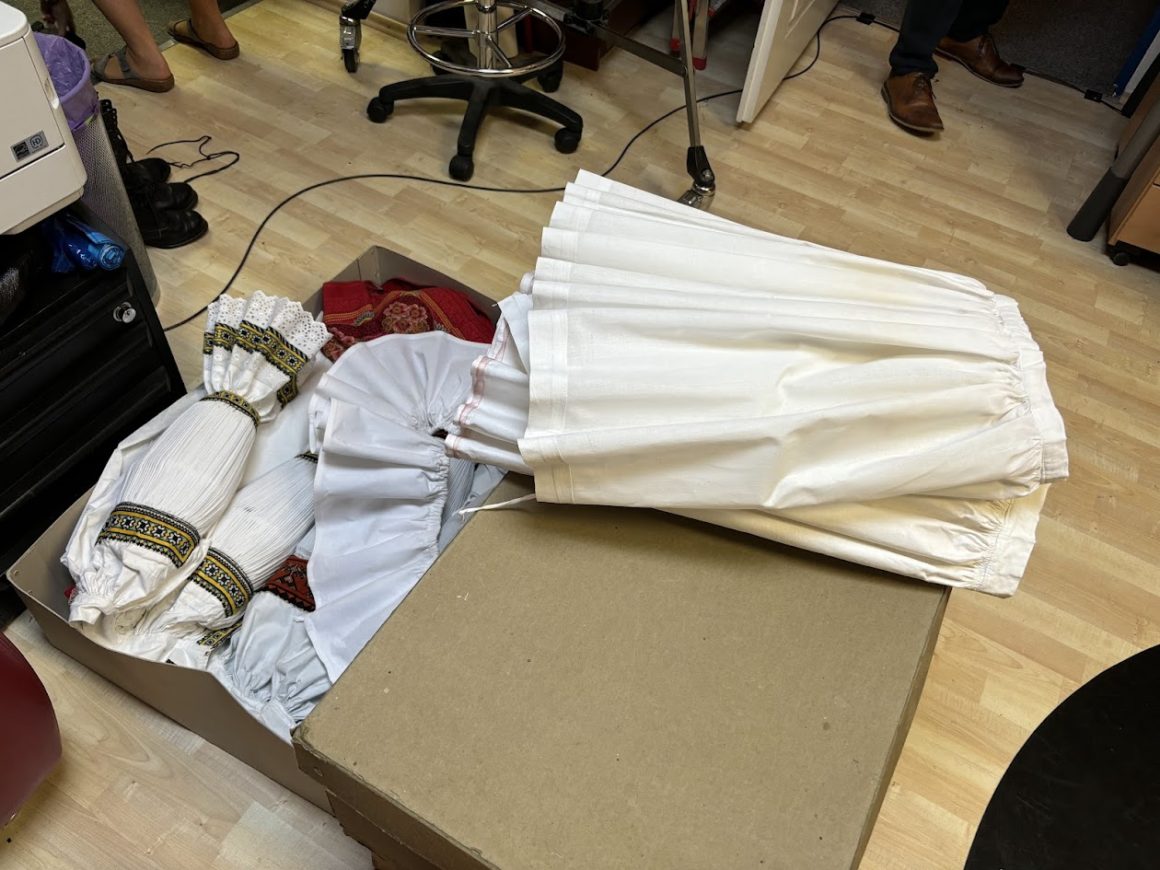
Capturing each layer separately reflects the reality of museum limitations. Typically, institutions only possess a single version of a costume, and due to space restrictions, only the outermost and most visually prominent layer can be displayed. By digitizing the garments in layers, we enable a complete view of the entire outfit, allowing both museums and audiences to explore details that would normally remain unseen.
Digitizing these artifacts also helps safeguard cultural heritage for the future. In the event of unexpected situations such as natural disasters or fires (e.g. Krásna Hôrka Castle in 2012, Notre-Dame Cathedral in Paris in 2019, Banská Štiavnica in 2023), having digital records ensures that these objects are preserved. At the same time, it minimizes the need for handling the original, often fragile, pieces.
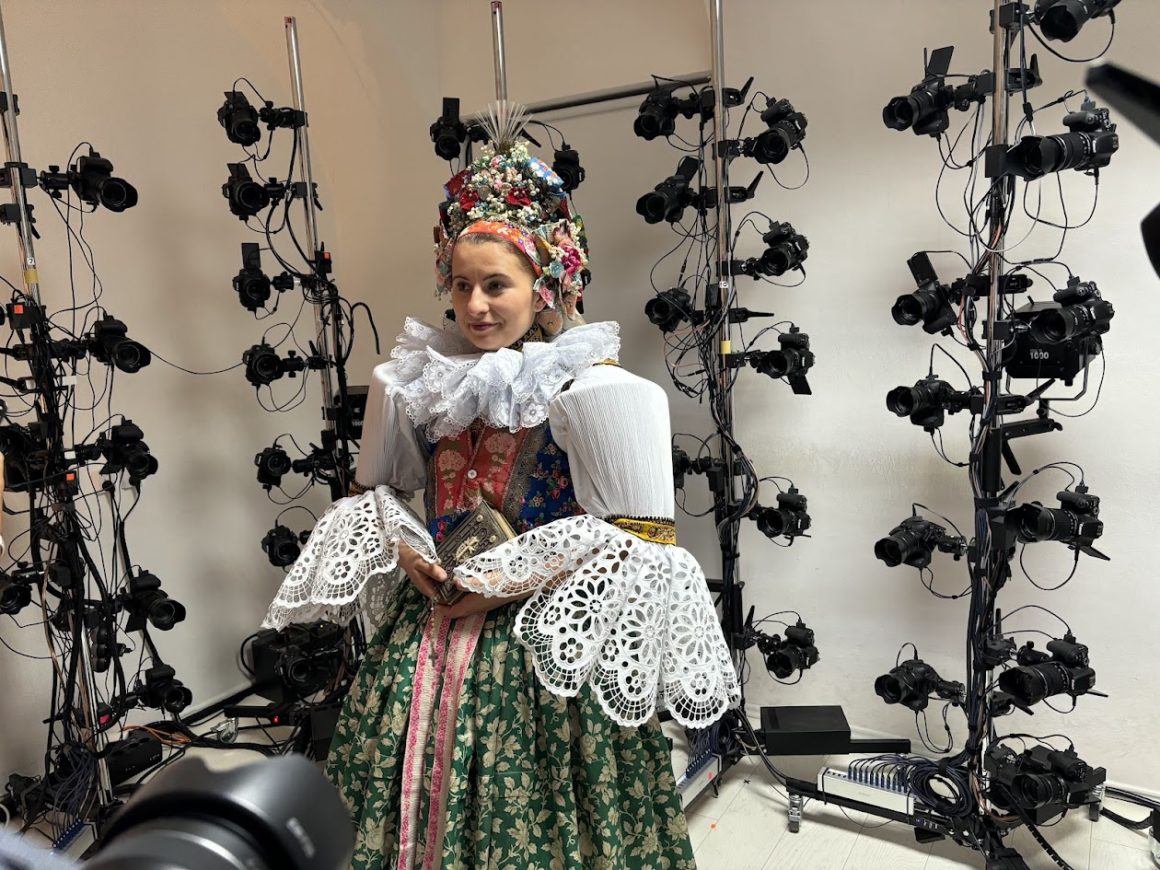
Additional Views from the Capture Sessions
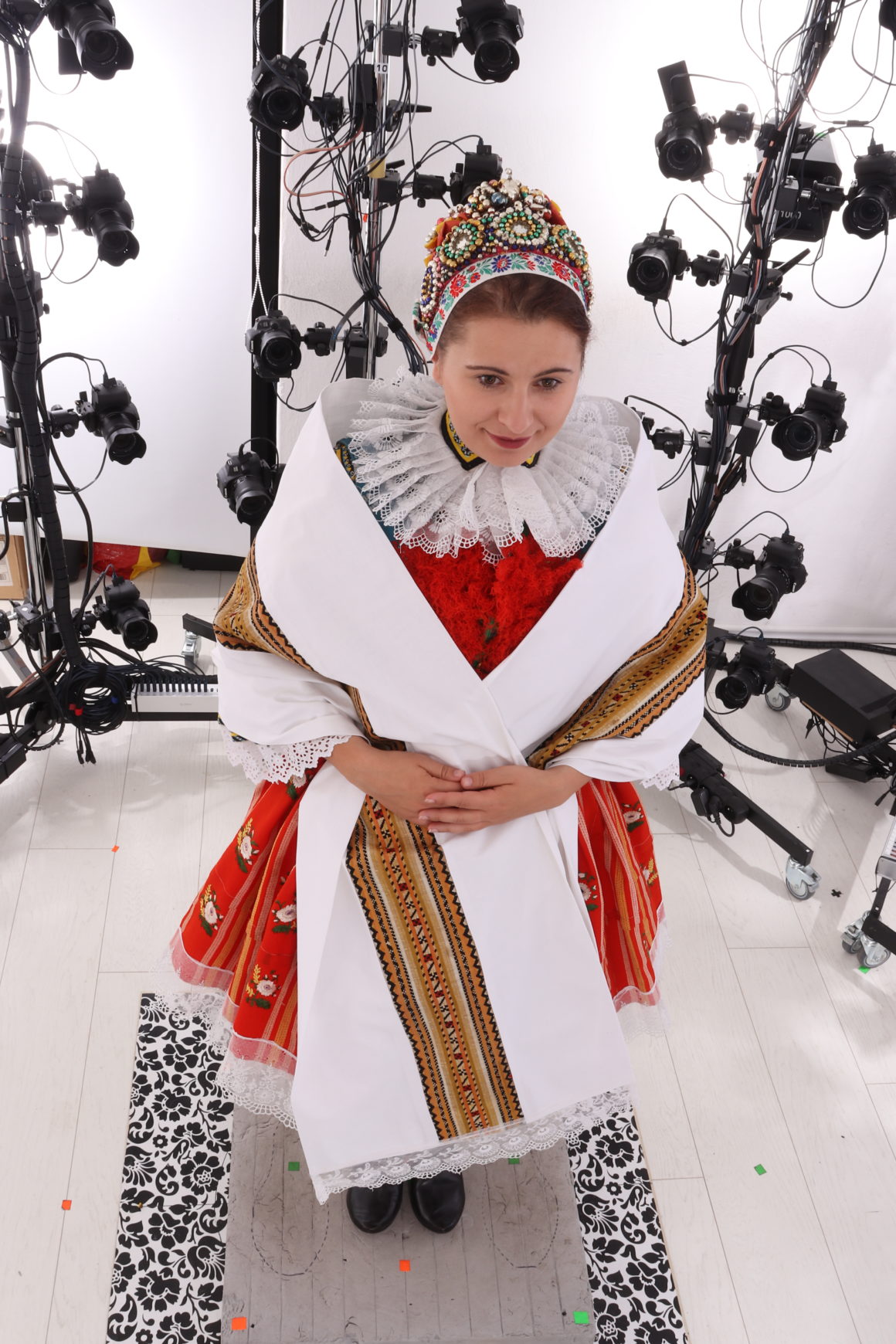
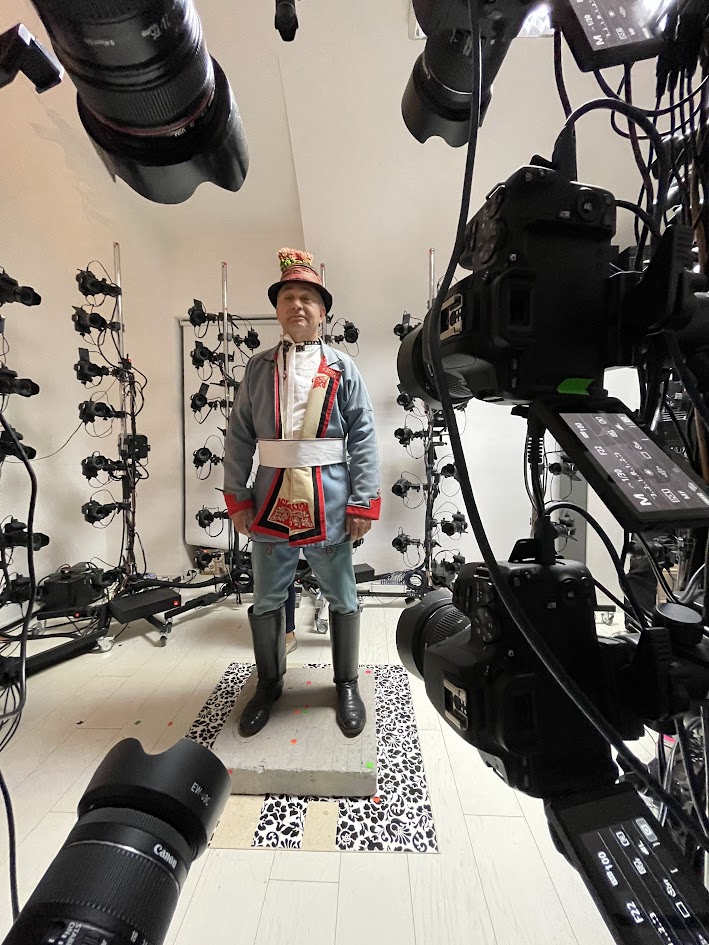
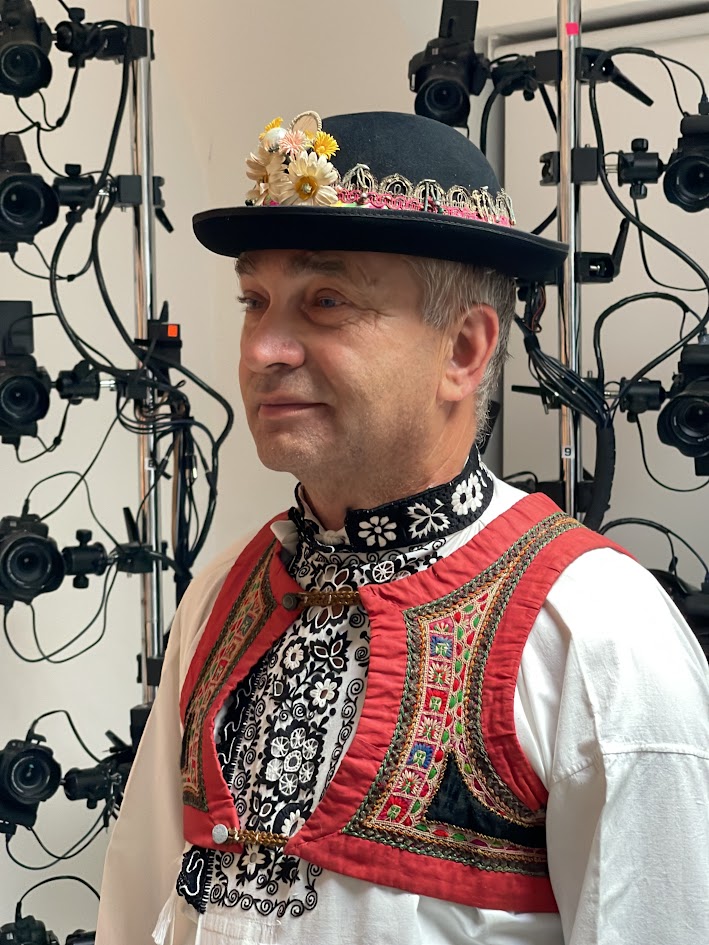
Beyond the final outputs, both the scanning rig and the studio setup revealed aspects of the process that are not immediately visible in the finished results.
From precise positioning inside the scanning rig to adjustments made during studio photography, each stage required careful coordination. Differences in lighting, fabric behavior, and layering meant that even small changes could influence how details were captured.
These moments provide a broader view of the workflow, showing how technical setup and practical handling come together to achieve consistent results.
Background of Traditional Folk Costumes
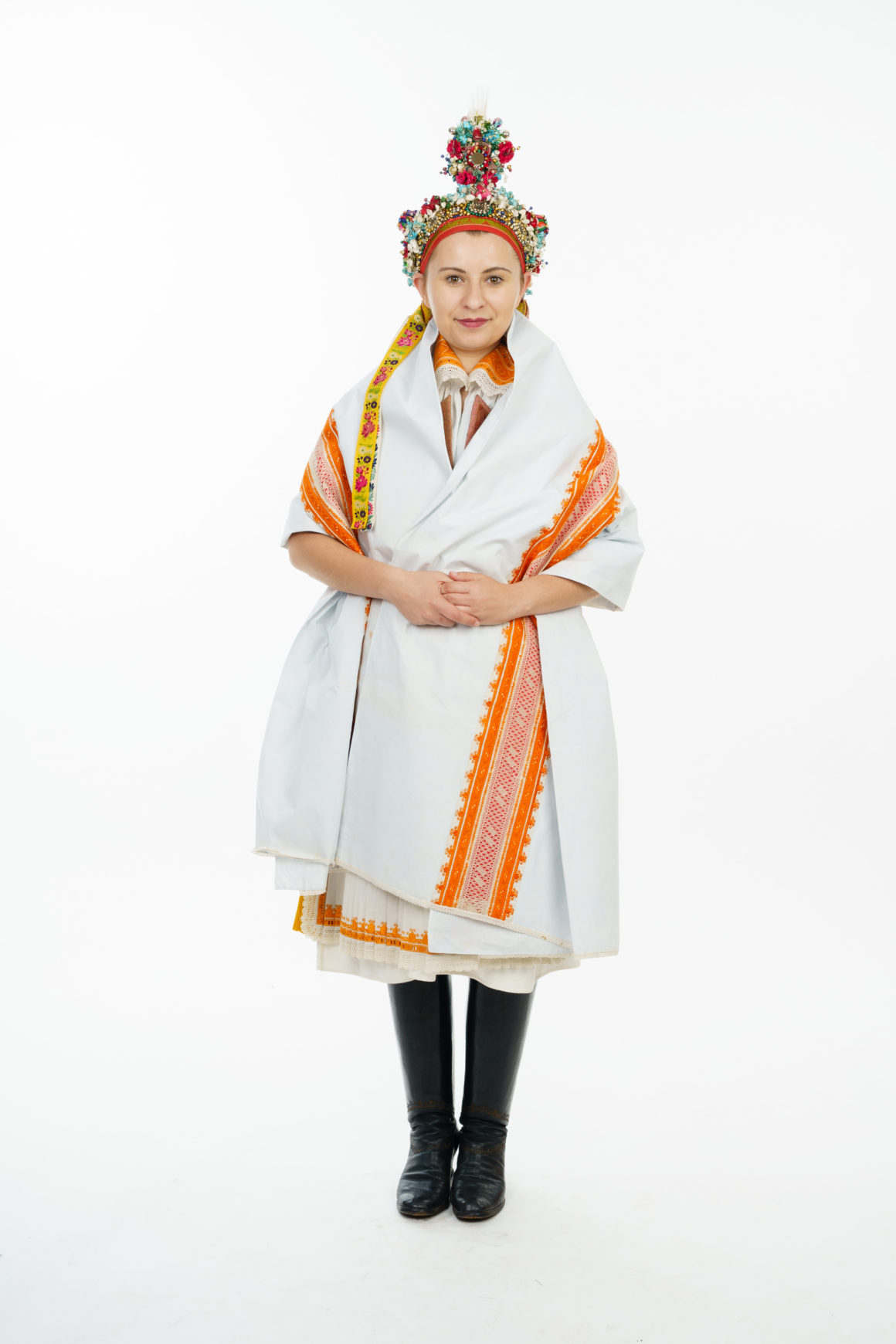
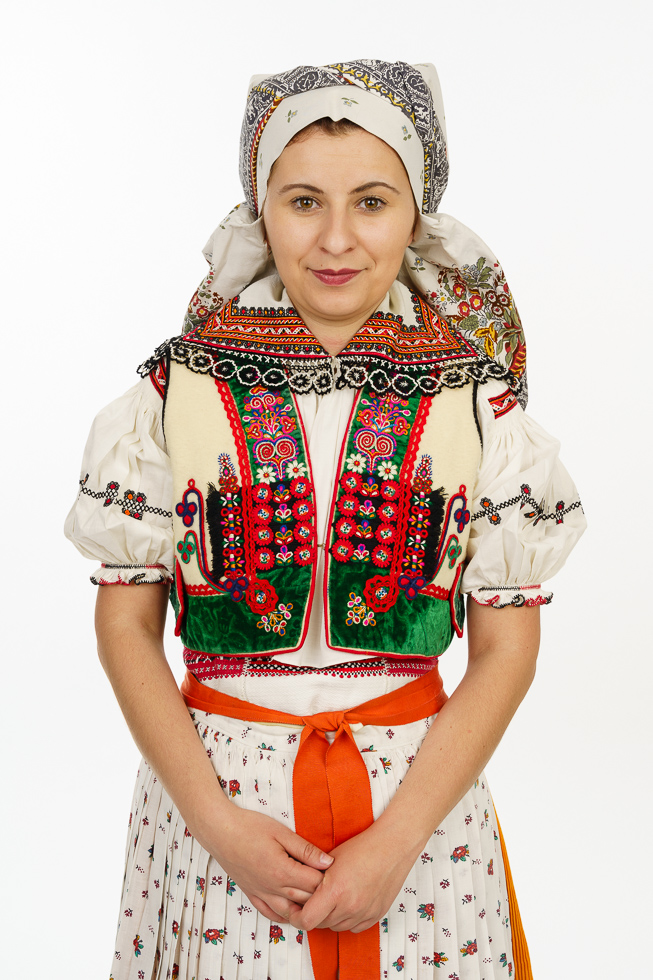
Traditional folk costumes in Central Europe are closely connected to regional identity, social standing, and cultural traditions. Every detail — from embroidered shirts to decorative headpieces — reflects information about the wearer, such as their origin, the occasion, or even marital status. These garments vary from one village to another and have developed over many generations, serving as a living connection to the region’s history and cultural heritage.
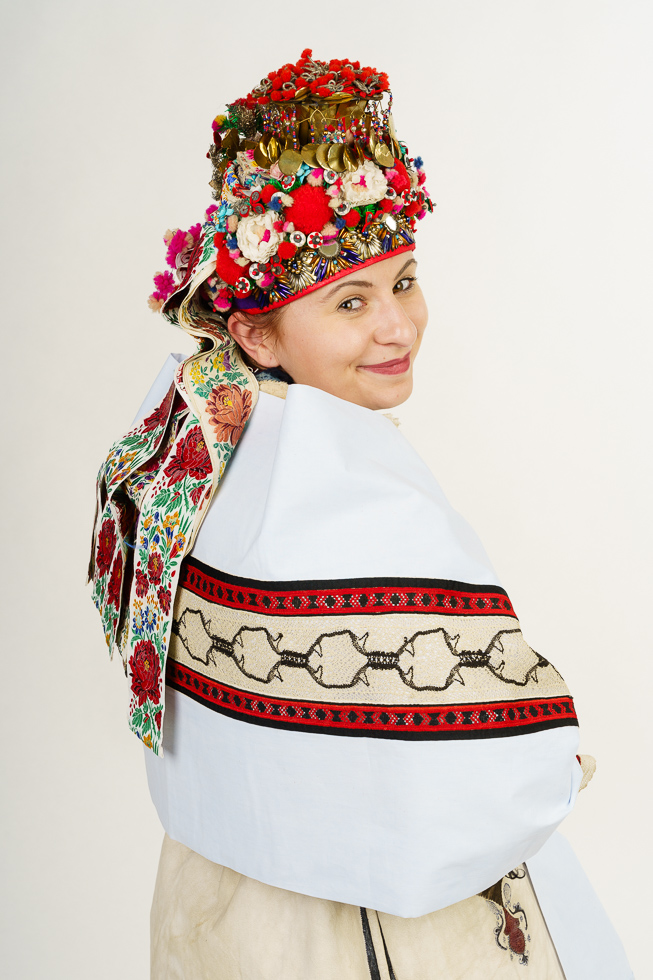
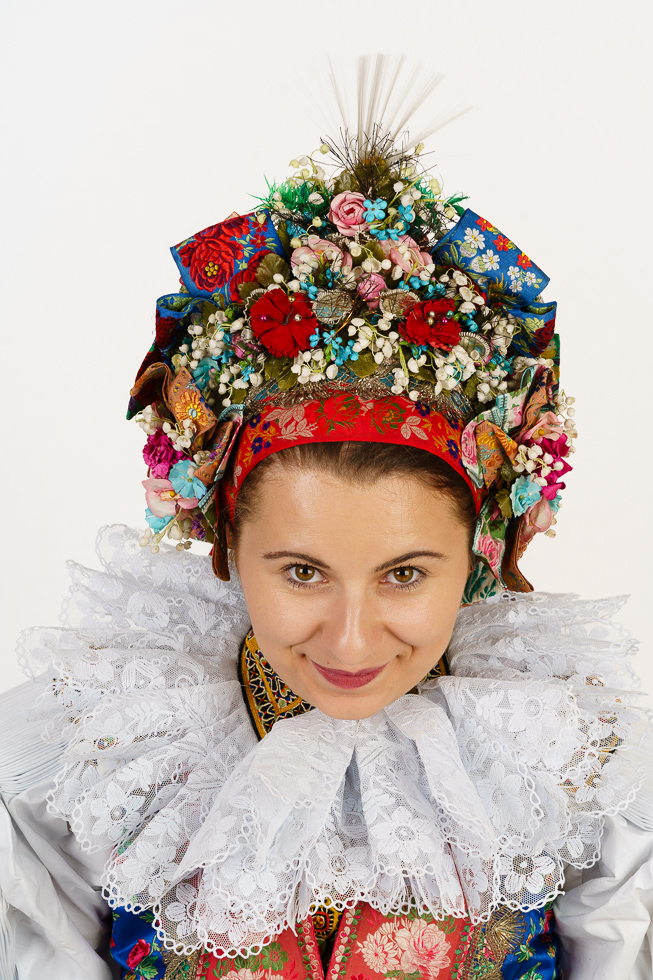
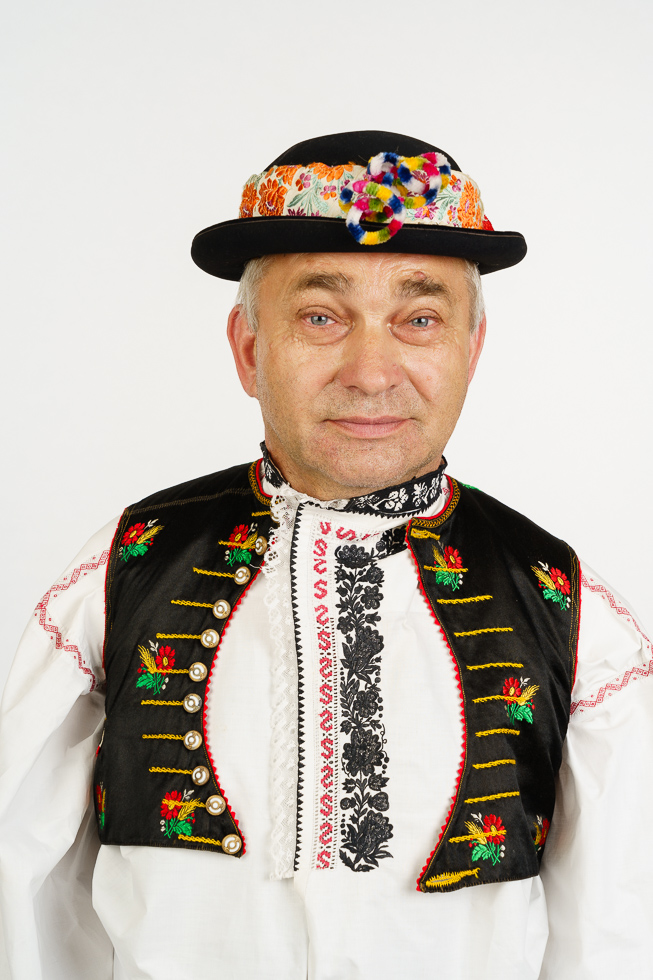
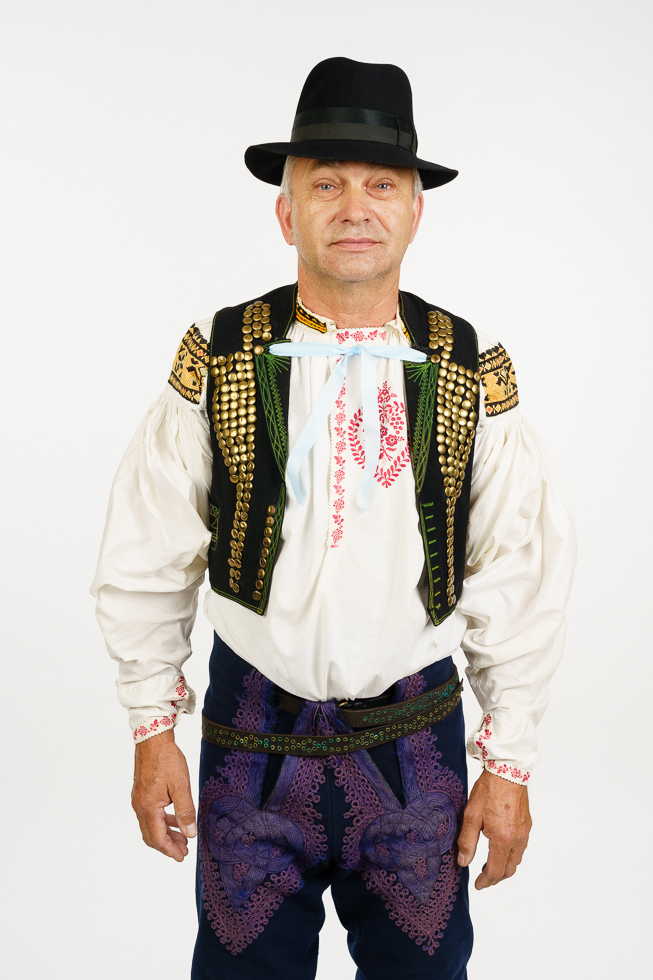
The Scanning Process in Detail
The digitization process required several dozen hours of careful scanning, resulting in a substantial dataset of approximately 75 GB. Each session was carried out under the supervision of museum representatives, ensuring that every costume was arranged accurately and in line with its authentic appearance.
For photogrammetry, we used RealityCapture to produce highly detailed 3D models from hundreds of images. A range of additional tools was then used during post-processing:
- Photoshop – texture cleanup and color correction
- 3DCoat – texture painting and fine detailing
- ZBrush – mesh refinement and sculpting
MeshLab, Blender, Substance 3D Painter, and others – UV mapping, cleanup, and overall optimization

Post-processing for each costume required approximately 10 to 16 hours, depending on its complexity and the specific properties of the materials used.
Integration of Augmented Reality in Museum Presentation
After processing, the costume models were prepared for use in augmented reality (AR) through the P3D.in platform, enabling interactive 3D viewing directly within real-world environments using mobile devices. This approach expands how museums can present their collections — allowing costumes to be explored not only in exhibitions, but also in educational contexts, outreach activities, or immersive virtual experiences.
For in-museum use, we developed interactive digital panels where visitors can browse individual layers of each costume, examine high-resolution imagery, and watch video recordings from the scanning process — all designed to improve engagement and understanding.
You can explore one of the processed models here: https://p3d.in/e/QzMa8
By selecting the “AR” option, your device will activate the camera, allowing you to place the model directly into your surroundings.
The model can also be viewed in a full 3D environment, where it can be rotated and examined from any angle — whether at home, in a classroom, or anywhere else.
From Digital Models to Physical Objects: 3D Printing
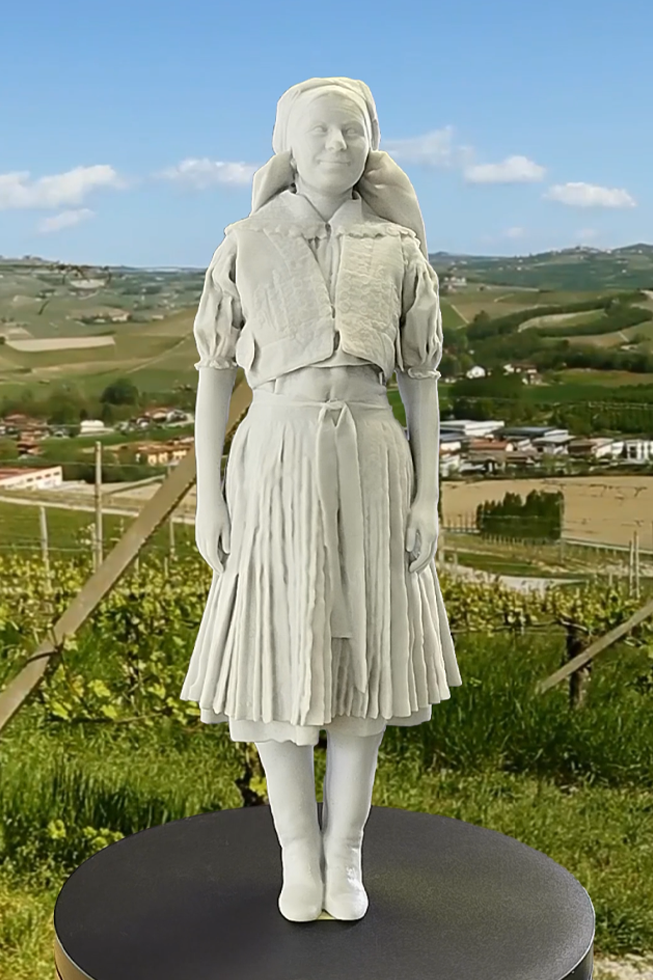
To demonstrate the capabilities of the captured data, one of the female costume models was also produced as a 3D print using high-detail resin (Prusament Resin Model Solid Grey) on a Prusa Pro SLX printer. The printing process took approximately 30 hours and preserved fine details — from the folds of the fabric to the overall silhouette — resulting in a solid, physical representation of the traditional garment.
From initial scanning through to AR integration, each costume required roughly 25–30 hours of dedicated work.
Example of a 3D printed costume model created from the scan data.
Preserving Cultural Heritage Through Digital Technologies
We also prepared a presentation titled “Cultural Heritage in Times of Digital Revolution”, which focuses on how modern technologies are reshaping the way cultural heritage is preserved, shared, and interpreted. It highlights both the challenges and new opportunities that come with digitization, supported by practical examples and real-world projects.
To learn more, you can explore the presentation HERE

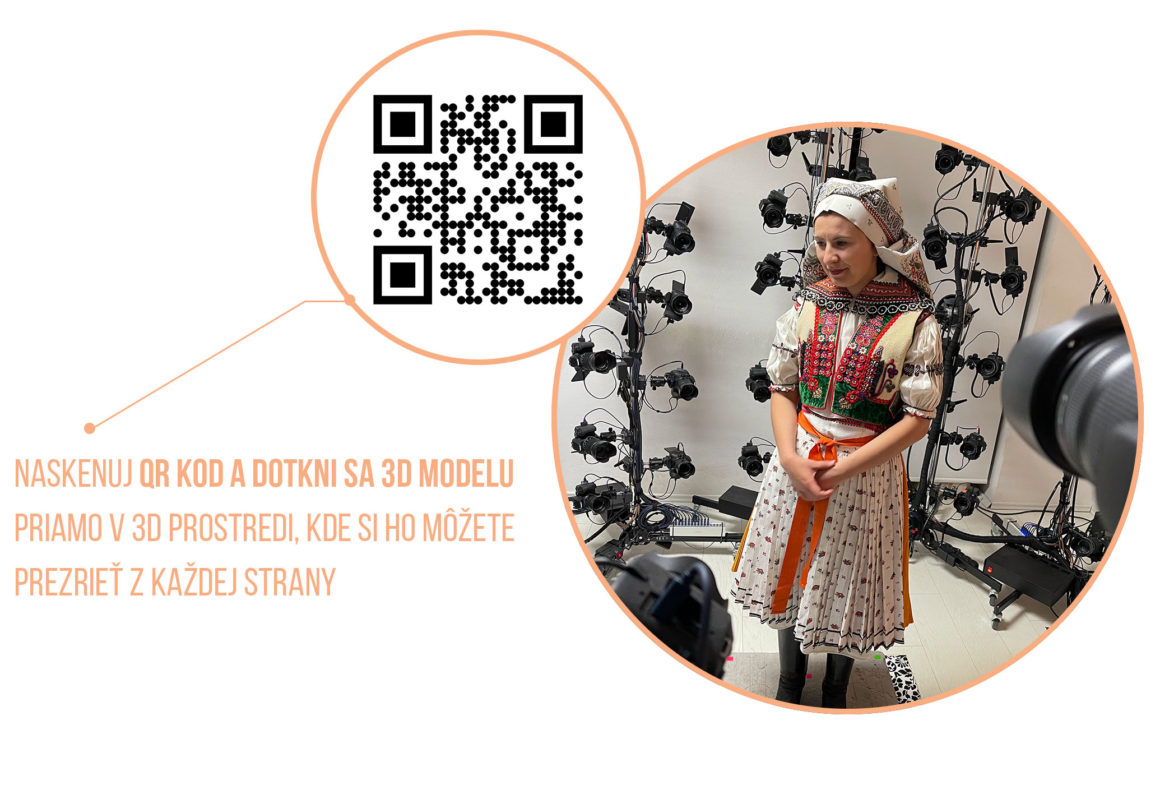
Scan the QR code and browse the presentation of the project Slovácké Museum.

This project demonstrates how modern technologies — including body scanning, 3D modeling, augmented reality, and 3D printing — can be used to preserve and present valuable elements of cultural heritage. By capturing traditional costumes in high detail, we create resources that can serve as reference material for research, educational content for schools and museums, and a long-term digital record for future generations.
Whether experienced in virtual space or as a physical 3D print, these costumes move beyond the limitations of physical display, allowing their form and detail to remain accessible in new contexts.
Our team together with performers from the museum

GET YOUR FREE PACK
Jump in and try a curated pack of FREE art references from all five portals – female & male anatomy, comic poses, environments & textures, and 3D scans. No catch. Download, practice, and have fun!

Just joined? This is your guide to our art reference and 3D scan portals.
Download a free sample scan to test mesh structure and texture quality in your preferred workflow.
Perfect for evaluating how our photogrammetry assets fit into your production pipeline.